Dissemination Report – Presentation of the Greek Living Earth (GLE) Project in Orestiada
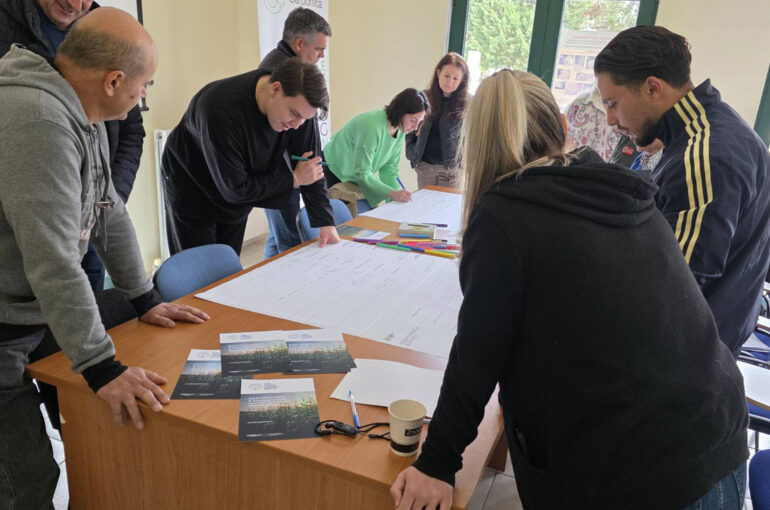
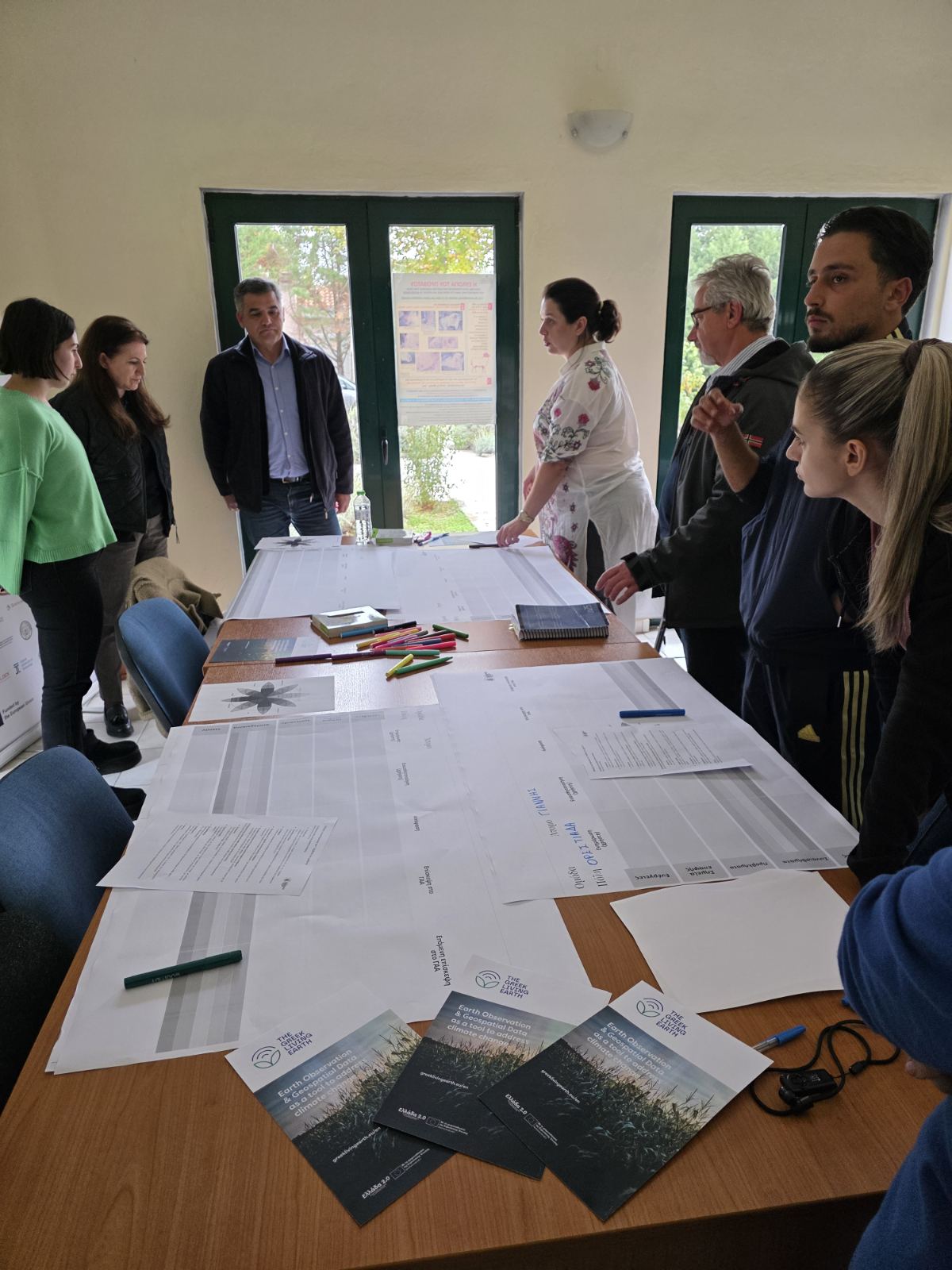
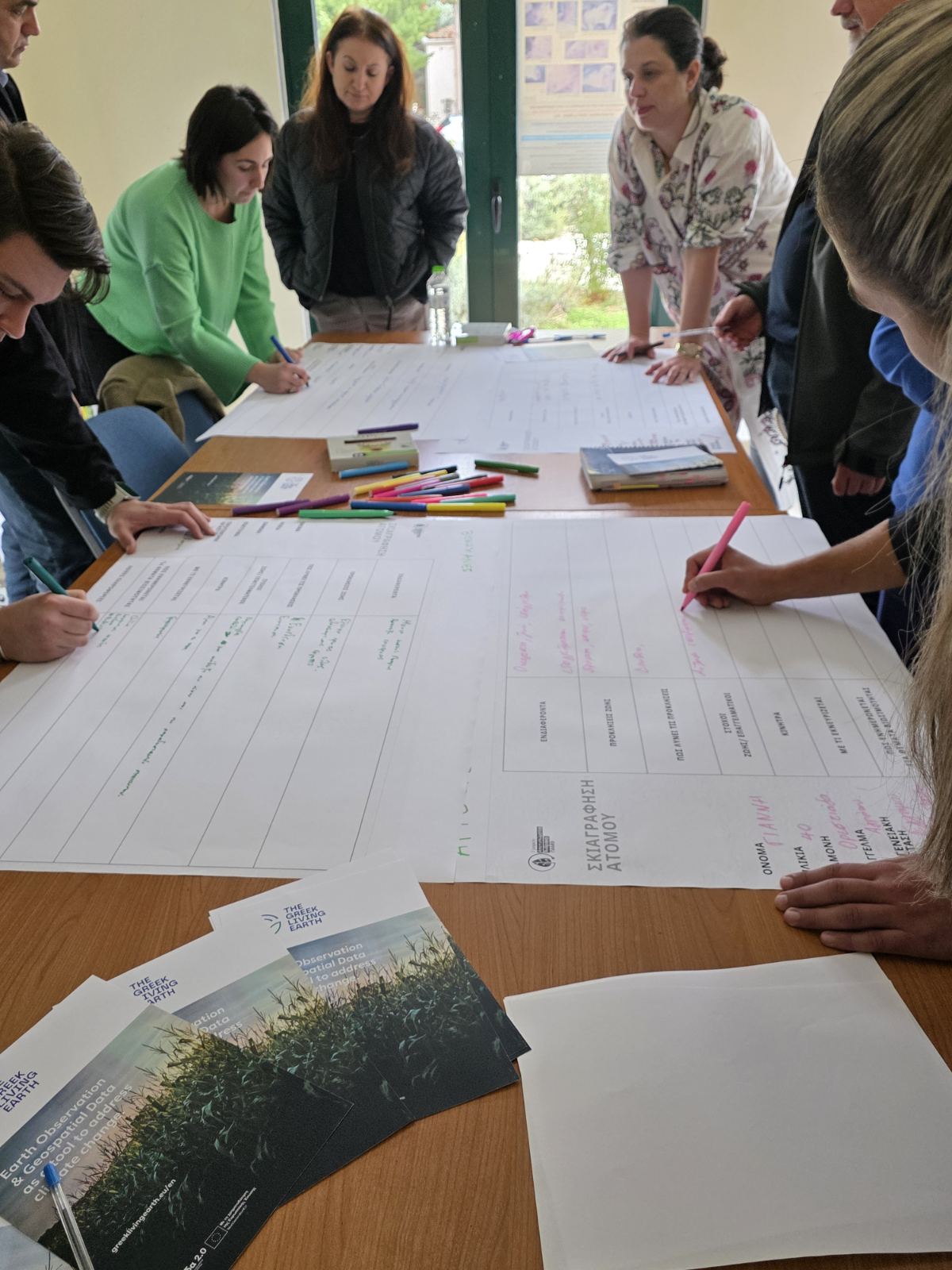
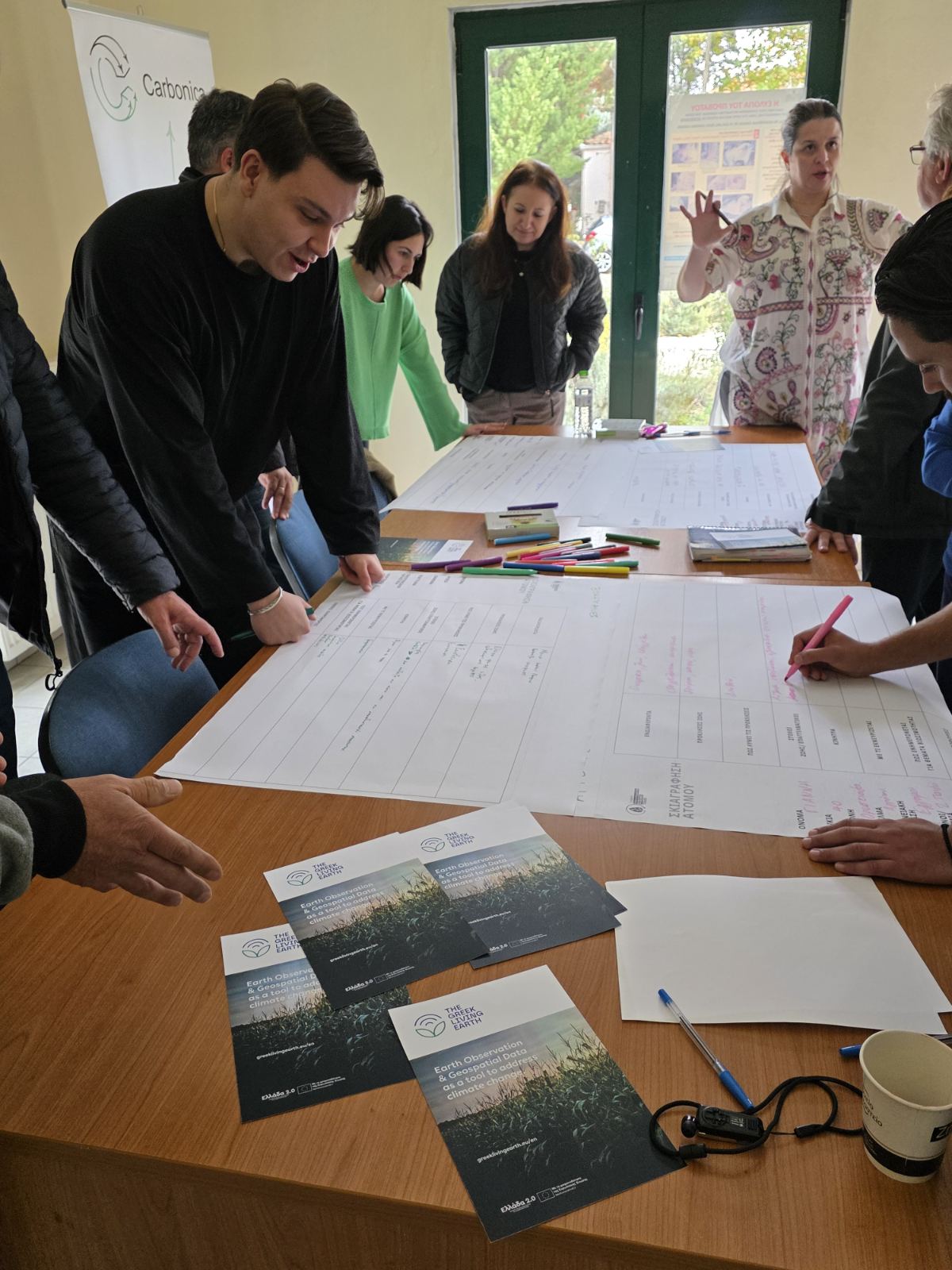
In cooperation with the experiential workshops of the Carbon Footprint Office of the Region of Eastern Macedonia and Thrace (REMTh), a presentation of the Greek Living Earth (GLE) project was held in Orestiada, aiming to inform the local community and disseminate the project’s initial results. The event also contributed to strengthening synergies with regional initiatives focused on sustainable agriculture and soil health monitoring.
During the presentation, the vision, structure, and mission of GLE were outlined, with particular emphasis on the integrated use of satellite data, in-field measurements, and digital indicators for monitoring soil health. The project’s progress to date was presented, along with the innovative approaches being developed to deliver reliable information and decision-support tools for farmers, research teams, and regional authorities.
The presentation was delivered by the collaborating teams of the Interbalkan Environment Center (IBEC) and the University of Ioannina, which jointly contribute to the project’s scientific foundation and to the development of its computational and methodological tools.
The participation of local authorities, producers, and students in the parallel experiential workshops fostered dialogue on sustainable soil management practices, carbon footprint reduction, and the transition towards resilient agricultural systems. The event generated valuable directions for new synergies with REMTh, particularly in the areas of monitoring data, agroecological education, and the green transition of local productive sectors.
Overall, the activity was considered highly beneficial, as it strengthened the presence of GLE in Northern Greece, highlighted the importance of technological and scientific innovation in adapting agriculture to contemporary environmental challenges, and opened up new opportunities for collaboration with regional stakeholders and the academic community.